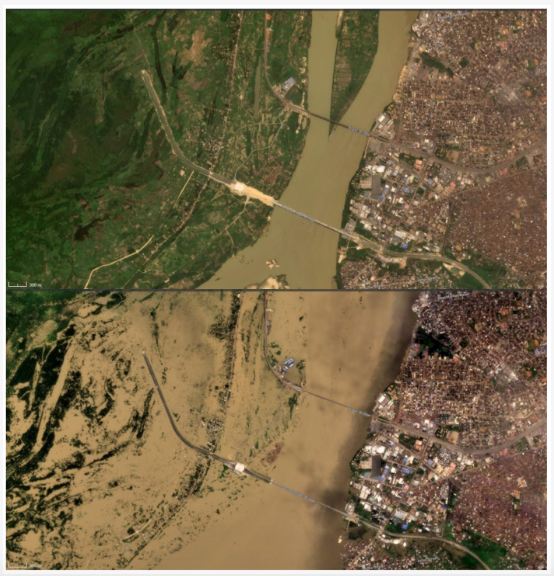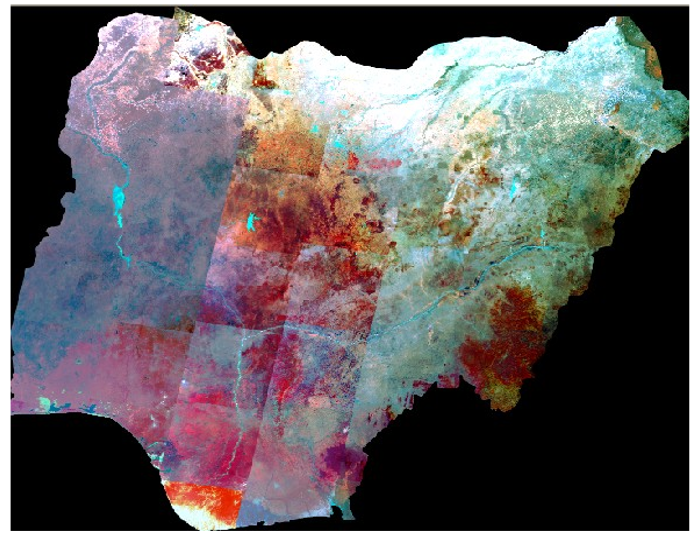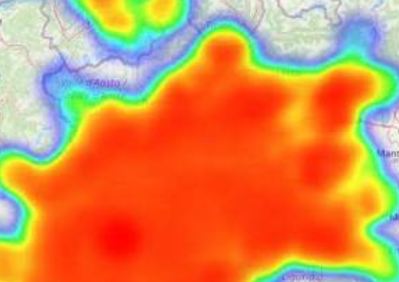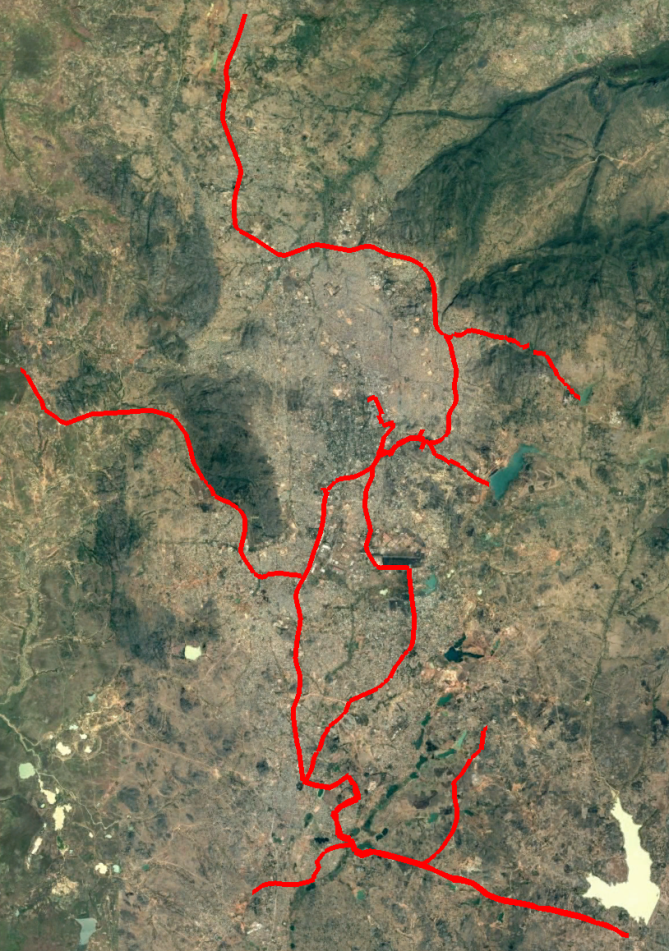
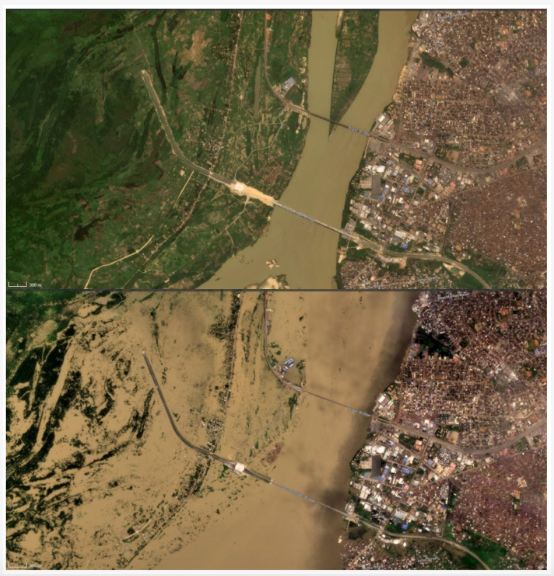
Flooding is one of the most widespread and destructive natural hazards globally, disproportionately affecting low- and middle-income regions [1,2,3]. In some countries, where infrastructure and adaptive capacity are limited, flood risks pose a major threat to vulnerable populations [4,5]. Globally, nearly 1.47 billion people face substantial flood risks [1]. In urbanized regions of China, fluvial flood risks are increasingly intensified by rapid development and climate change [6]. Studies assessing urban agglomerations in China reveal varying levels of vulnerability, with flood risk projections worsening under high-emission scenarios [7]. In sub-Saharan Africa, over 238 million people live in informal settlements, which are highly vulnerable to flood impacts [8]. In West African countries, such as Nigeria, vulnerability is intensified by poverty, weak infrastructure, and a lack of institutional capacity, with local populations often lacking the means to evacuate or recover from flood events [9]. These global patterns highlight the urgent need for integrated flood risk assessments and targeted adaptation strategies across high-density urban centers and underserved rural communities.